

What to Wear to Aerial Yoga
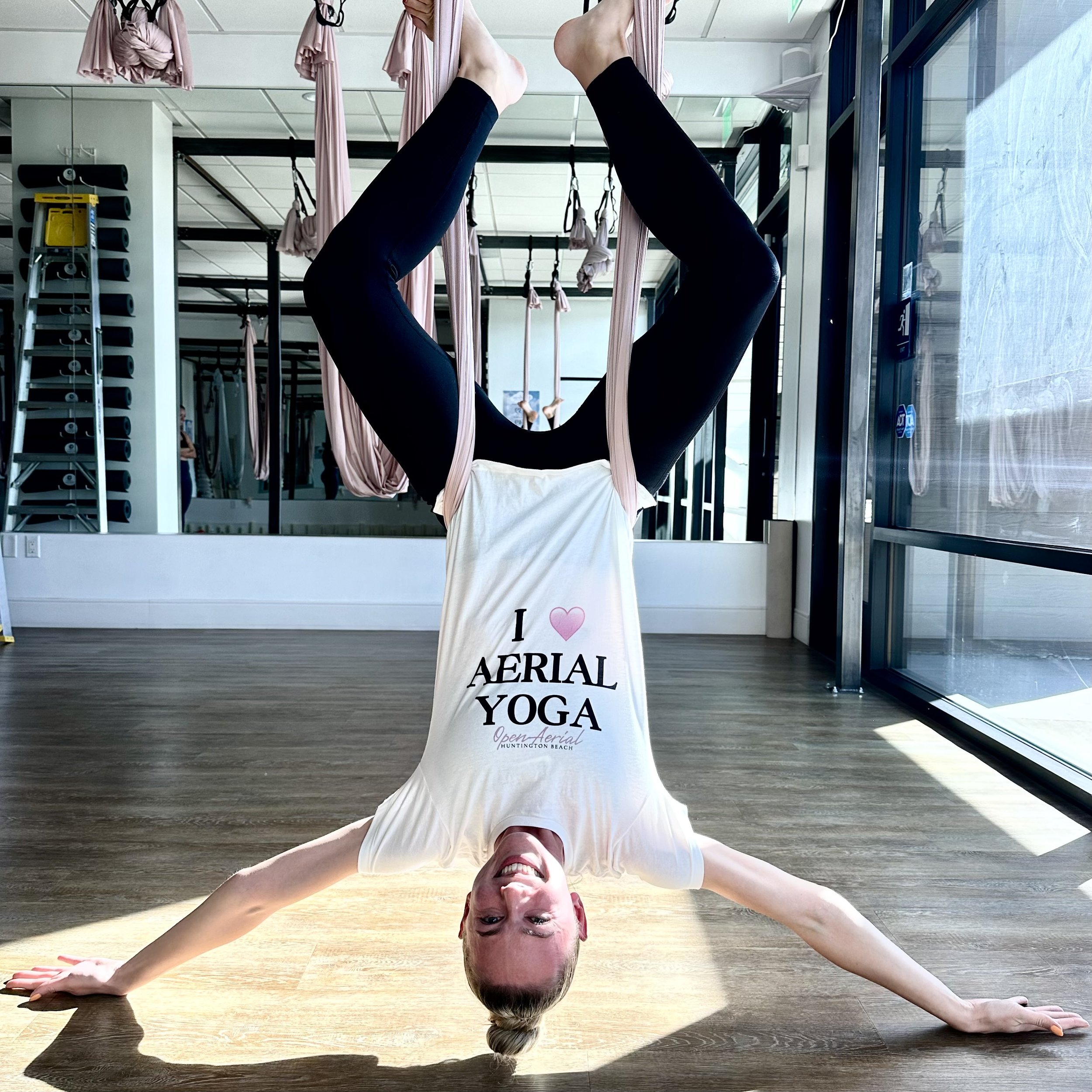
The short answer: Wear full-length leggings, a fitted top that covers your torso and armpits, and remove all jewelry. Skip the shorts and baggy clothes entirely.
As someone who's been teaching aerial yoga for years, I've seen every clothing mistake in the book, and I'm here to help you avoid them all.
The #1 Clothing Mistake Beginners Make (And Why It Matters)
The biggest mistake I see? Students showing up in shorts. You need your legs completely covered or the silk will pinch and burn your skin. That beautiful, supportive hammock becomes your worst enemy when it grabs exposed skin during transitions.
I've watched students try to power through a class in shorts, wincing every time they moved into a new pose. The silk doesn't discriminate - it will grip whatever skin you give it access to, creating uncomfortable friction and potential burns.
The second major mistake is wearing jewelry. You'll have to remove it anyway because jewelry can damage hammocks and create safety hazards for everyone.
Essential Bottom Wear: Why Full-Length Leggings Are Non-Negotiable
When it comes to what should I wear to aerial yoga, full-length leggings are non-negotiable. I always wear long leggings to every single class, and I insist my students do the same.
The material matters just as much as the coverage. You need stretchy legging material that moves with your body through every inversion, twist, and transition. I've seen students struggle in cotton pants that don't have enough give - they restrict movement and can even tear during dynamic sequences.
Your leggings should be snug but not restrictive. Too loose, and the fabric bunches uncomfortably in the hammock. Too tight, and you'll feel restricted during deep stretches and inversions.
Look for high-waisted options. They provide extra coverage when you're upside down and prevent gaps between your top and bottom. When you're inverted, you'll appreciate that extra coverage.
Top Selection: Coverage That Moves With You
Your top needs to cover your armpits and entire torso - this isn't negotiable. The hammock will contact these areas frequently, and exposed skin means discomfort and potential burns.
Here's my biggest insider tip: long sleeves are way more comfortable! While short sleeves meet the minimum coverage requirement, long sleeves eliminate any possibility of silk-to-skin contact on your arms.
Avoid baggy shirts at all costs. If you have a baggy shirt, it will fall off when you go upside down. I've seen students spend half their class adjusting their tops instead of focusing on their practice. Choose fitted tops that won't shift during inversions.
Tank tops are out of the question - they leave your armpits exposed to the silk. Even cap sleeves can be problematic depending on fit. When in doubt, choose more coverage.
Jewelry and Accessories: What to Leave at Home
Remove all jewelry before class - no exceptions. I've seen rings catch on hammock fabric, and necklaces get tangled during inversions.
The only accessories I recommend are hair ties to keep long hair secured. Choose simple elastic bands without metal pieces or decorative elements that could snag.
If you can't remove certain piercings, cover them with medical tape we provide. Your safety and the equipment's integrity depend on eliminating anything that could catch or tear.
Fabric Types and Features That Work Best
Choose stretchy materials with at least 15-20% elastane or spandex content. The fabric needs to move with your body through every pose without restricting your range of motion.
Moisture-wicking properties become important during longer sessions or heated classes. Look for synthetic blends that pull sweat away from your skin. Cotton tends to hold moisture and can become heavy and uncomfortable.
Avoid anything with external seams, decorative elements, or rough textures that could catch on the hammock fabric. The smoother your clothing, the better it will glide against the silk.
Footwear: Do You Need Socks or Shoes?
Most studios don't require socks, and you'll definitely want to remove shoes before class. Bare feet give you the best grip and connection with both the hammock and the ground.
Some students prefer grip socks for hygiene reasons or if they have cold feet. If you choose socks, make sure they have good traction - regular socks can be slippery and dangerous during standing poses.
Check your studio's specific policy, as some require socks while others prohibit them. When in doubt, bring grip socks and ask your instructor what they recommend.
Keep your toenails trimmed short to prevent snagging on the hammock fabric.
Different Aerial Styles: Does Your Outfit Need to Change?
Whether you're doing aerial silks, hammock, or trapeze work, the clothing requirements remain the same. I always recommend full-length leggings and a shirt that covers your entire torso and armpits, regardless of the aerial style you're practicing.
The fundamental principle doesn't change across disciplines - you need to protect your skin from the apparatus while maintaining full range of motion. Don't let anyone tell you that different aerial styles require different outfits.
What I Wish I'd Known: Insider Tips for Aerial Yoga Attire
Create a pre-class checklist to avoid forgotten details. Remove all jewelry, tie back long hair, check that your leggings are high-waisted enough, and ensure your top won't ride up during inversions.
Bring a backup hair tie - you'll be surprised how often they break during class. Also, consider the studio temperature. Some aerial yoga spaces run warm, while others can be cool, especially when you're elevated in the air.
Quick Checklist: Your Aerial Yoga Outfit Essentials
What to Wear:
Full-length, stretchy leggings
Fitted top covering torso and armpits
Hair ties for long hair
Optional: grip socks
What to Leave Home:
All jewelry and watches
Baggy or loose clothing
Shorts or capri pants
Tank tops or sleeveless shirts
Before Class:
Remove jewelry and accessories
Secure long hair
Check that clothing won't shift during inversions
Trim fingernails and toenails
When you're wondering what should I wear to aerial yoga, remember that comfort and safety go hand in hand. The right outfit will help you focus on your practice instead of adjusting your clothes or dealing with discomfort from silk burns.
Your aerial yoga journey should be about building strength, flexibility, and confidence - not wrestling with wardrobe malfunctions. Choose coverage over style, and you'll thank yourself after your first successful inversion.
Ready to try your first aerial yoga class? Start by finding a beginner-friendly studio in your area and booking an introductory session to experience the practice firsthand.